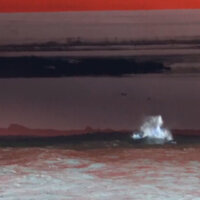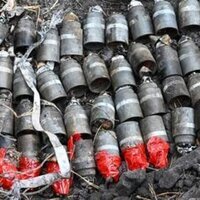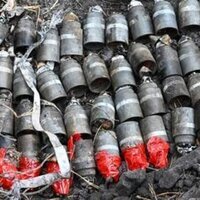


Explosive devices have been neutralized at the port of Ust-Luga, the Investigative Committee has said
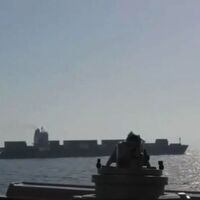
A tanker ship that arrived in Russia's Leningrad Region from the Belgian port of Antwerp had NATO-made magnetic mines attached to its hull, the Russian Investigative Committee has said.
A criminal case has been opened over an attempted terrorist attack on the gas tanker, the Arrhenius, the agency said in a statement on Monday.
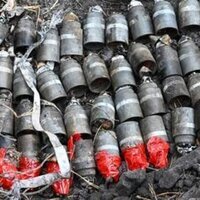
Divers discovered "factory-produced naval magnetic mines manufactured in one of the NATO countries" on the hull when they inspected the vessel upon its arrival in the port of Ust-Luga, the statement read.
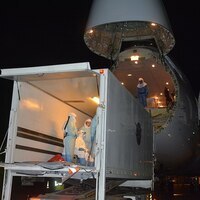
The explosive devices were neutralized by Federal Security Service officers, working together with servicemen from the Defense Ministry and the National Guard, it added.
According to the Investigative Committee, the tanker came to Ust-Luga on May 20 for refueling, with the Turkish port of Samsun listed as its final destination.
The ship's agent said during questioning that the Arrhenius had arrived in Russia after a delay of several days from its original schedule, it said.
"It must be emphasized that, based on the initial investigative actions, it can already be concluded that the magnetic mines could not have been planted [on the tanker] in Russian territorial waters," the agency stressed.
The FSB said in a separate statement that the mass of plastic material in each of the explosive devices was approximately 7 kg. It didn't say how many mines there were altogether.
The captain told the operatives that, before unloading in Antwerp, the tanker was sent to anchorage for about a day and a half due to an alleged strike by port workers, the agency added.